Reading a listing
Read the listing, then build a shortlist
A listing page is a pile of statements of different strength. Some are measurements taken from the actual garment, some are materials claims, some are photographs, and some are simply a seller’s styling choice. Mixing them together is how a shortlist turns into guesses. The useful habit is to sort every line on the page into one of three buckets: what the listing clearly tells you, what it says without enough context, and what nobody has stated yet.
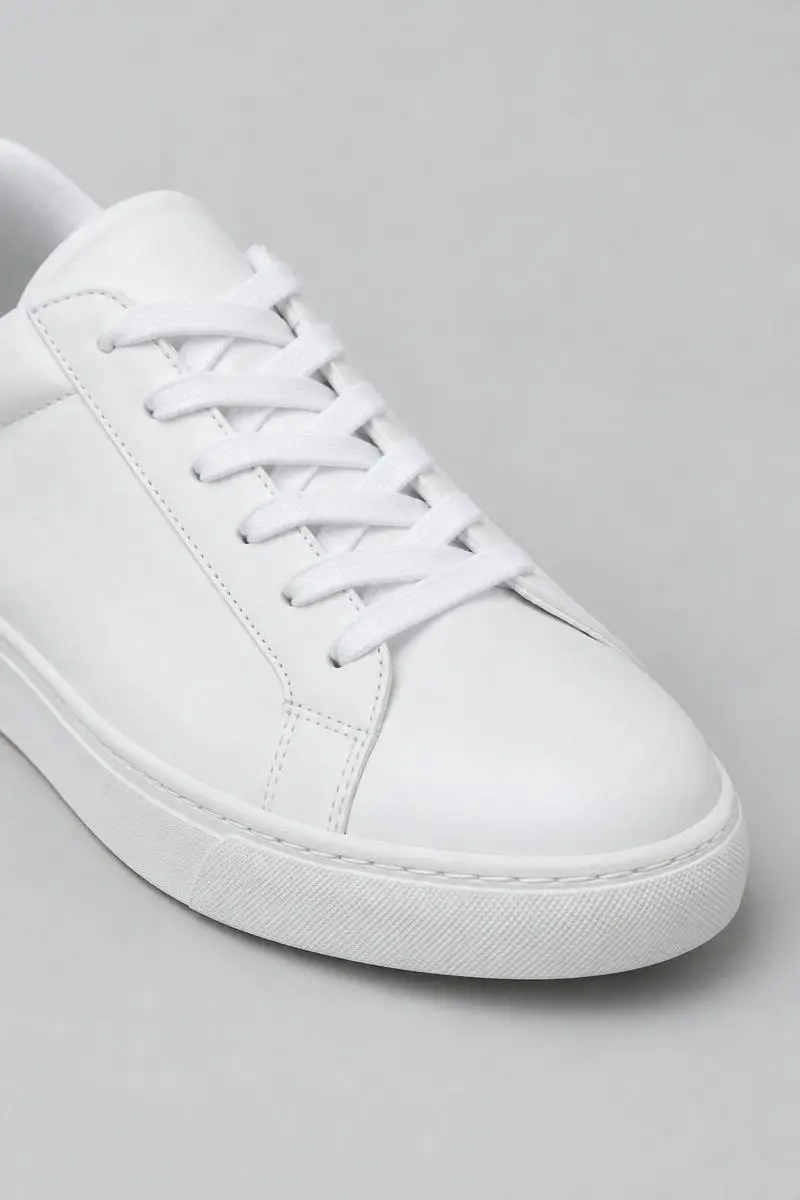
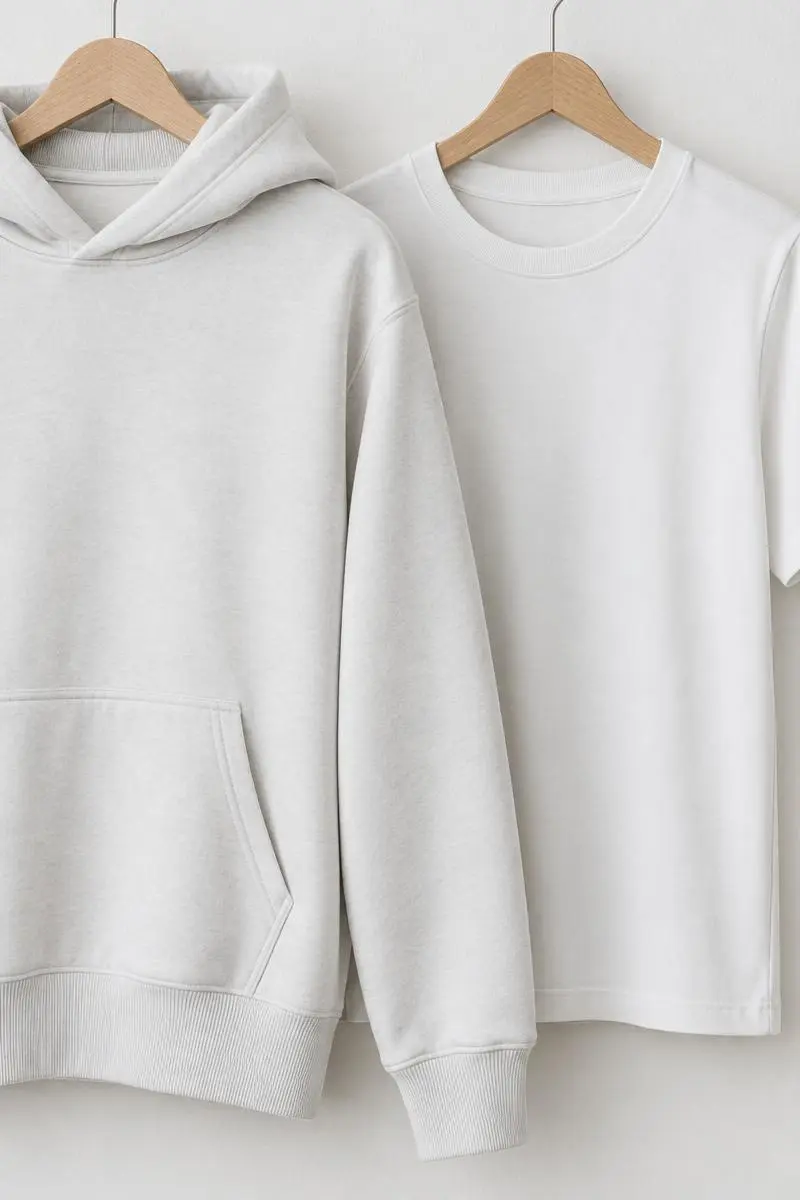
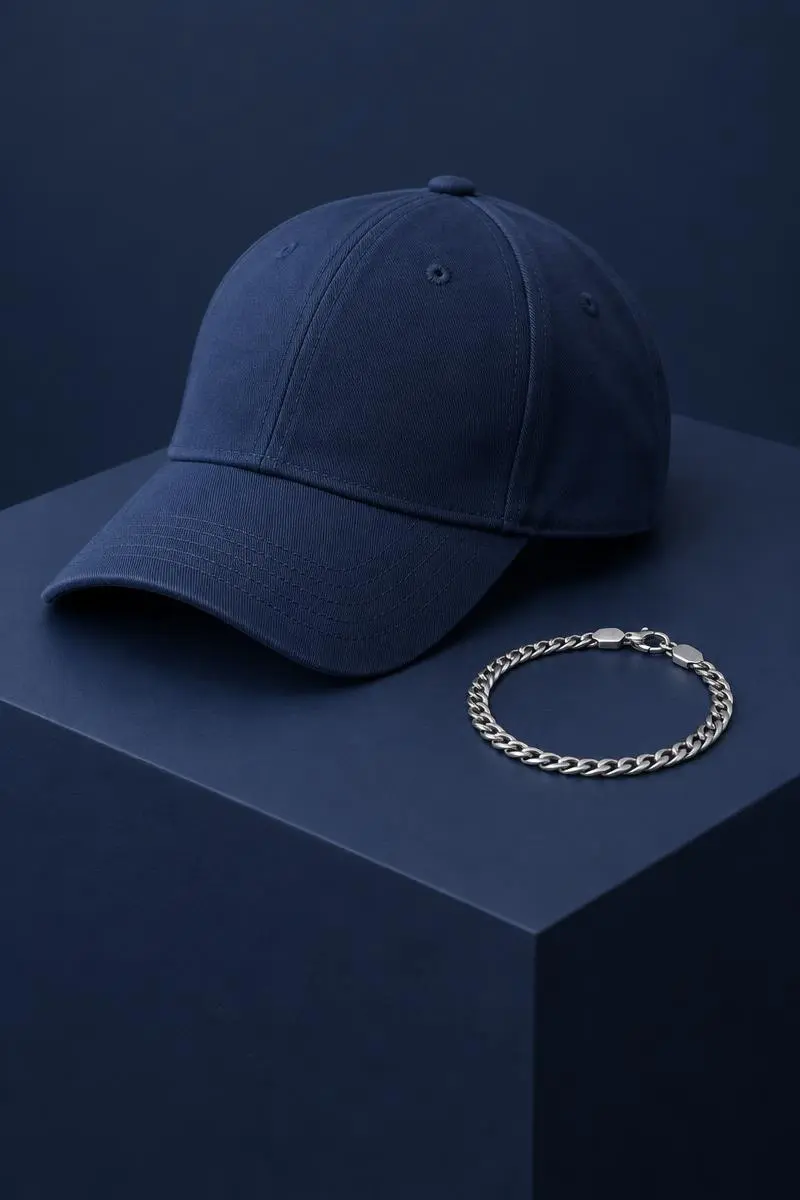
The same habit works across the categories on this page. When you look at oopbuy unbranded sneakers, the shape is visible and the insole length usually is not. Among oopbuy unbranded outerwear, the cut may be clear while the lining and the room for a mid-layer stay unspoken. For oopbuy unbranded accessories, the finish photographs well and the base metal remains an open question. None of those gaps is a red flag on its own. They are simply items to keep visible instead of quietly filling in.
Measurements are not the body
Measurements deserve their own paragraph because they look more precise than they are. A flat chest width is a garment number, not a body number. A hoodie sleeve measurement can start at the shoulder seam or at the centre back of the neck, and those two starting points produce different figures for the same arm. A t-shirt size chart may list shoulder width without saying whether the shirt was stretched or relaxed when measured. Before comparing two numbers, confirm that both numbers describe the same thing in the same unit.
This is also why a written oopbuy hoodie size chart guide is worth more than a single number repeated in three listings. Read the whole table: chest width, body length, sleeve length and where each begins. If a listing shows only one figure, treat the rest as unknown rather than assuming the missing values follow a familiar pattern.
Illustrative measurement example
58 cm × 2 ≈ 116 cm
A garment lists a flat chest width of 58 cm. Under the simplified assumption that the front and back panels are equally wide, the estimated circumference around the garment would be about 116 cm. That figure is not a body chest measurement, and it does not guarantee fit. Compare it with the same flat measurement taken from a garment you already wear, then consider the ease built into the cut. A generic example for reading measurement methods, not a size chart for any real product.
Composition is not construction
Fabric language is the easiest place to over-read. A fibre name tells you what the yarn is made of, while a weight figure tells you how much material sits in a square metre; neither tells you how the piece is knitted, washed or finished. Two garments can share a fibre list and still feel completely different. When you compare oopbuy jacket fabric comparison notes, keep composition and weight in separate columns, then add a third column for what the description never mentions.
Two listings can both say cotton while differing in weight and construction, which is why the question is never only how to compare oopbuy fabric descriptions, but which part of the description is actually doing the work. The same applies to smaller pieces: a plain baseball cap can be described by its crown panels and its closing strap, and knowing those two things still leaves the brim stiffness unstated.
From notes to a shortlist
Building a shortlist is mostly an editing exercise. Start with a broad pile of candidates, then remove anything whose stated measurements cannot be compared on equal terms. Keep a short line of notes for each survivor: the figure you trust, the figure still missing, and the question you would ask. A shortlist of four well-understood listings is more useful than twelve attractive ones you cannot size.
That approach travels well. It works for oopbuy summer shorts finds where waist and inseam both need reading, for an oopbuy underpants fabric checklist where stretch wording matters more than colour, and for oopbuy minimalist jewelry finds where dimensions and clasp type are the only hard facts available.
What a listing detail can and cannot settle
| Listing detail | What it tells you | What remains unknown | What to confirm |
|---|---|---|---|
| Flat chest width | A garment measurement taken across the front of the chest while the piece lies flat. | The measuring method, the unit and whether the number is front-only or doubled. | Ask how the width was taken and in which unit; do not read it as your body chest circumference. |
| Sleeve length | A distance from one reference point to the cuff of the sleeve. | Whether it starts at the shoulder seam or at the centre back of the neck. | Match the start point on both listings before comparing the two numbers. |
| Fabric composition and weight | The fibre share the listing states, plus a weight figure when one is given. | Yarn structure, knit density, finishing and how the piece behaves after washing. | Treat the fibre name or the weight alone as an incomplete picture of durability. |
| Jewellery appearance | How the surface looks in a photo, including colour and shine. | The base metal, plating, exact dimensions and how the clasp closes. | Look for a stated material, measurements and a clasp description before assuming silver. |
| Listing photos overall | Shape, colour impression and styling choices a seller chose to show. | Scale against a body, true colour under daylight, stitching quality close up. | Use photos for shape and detail, then verify anything measurable against written specs. |
Keep unknowns visible
When a listing leaves out a measurement, a material or a detail, note it as missing rather than filling it in from a photo or from habit. Carry those gaps to the destination website and resolve them there, where the listing and its terms actually live. A shortlist that keeps its unknowns visible is easier to check and much harder to fool.